
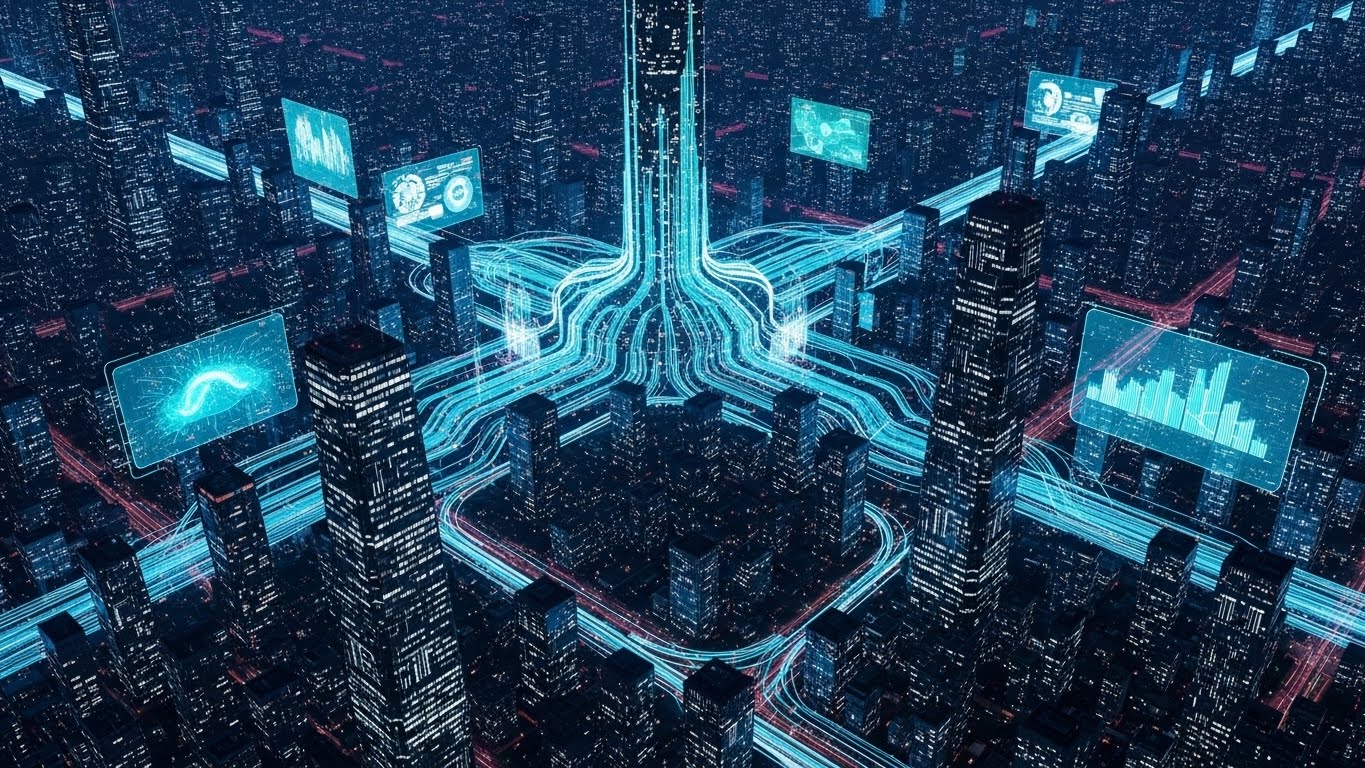
Introduction: Technology in Every Facet of Life
Technology is no longer just a part of daily life; it has become the foundation upon which modern society functions. From communication and healthcare to transportation and entertainment, technology influences how we live, work, and interact with the world. The rapid pace of innovation continues to transform industries, enhance efficiency, and create opportunities previously unimaginable. This blog explores the multifaceted impact of technology, the latest advancements, and how it is shaping the future of humanity.
The Evolution of Technology Through History
The story of technology is one of constant innovation. From the invention of the wheel to the development of the internet, humans have consistently sought ways to solve problems and improve quality of life. Early inventions like the printing press revolutionized information sharing, while the industrial revolution transformed production and transportation. In the 20th century, computers and digital technology opened doors to unprecedented possibilities.
Today, we live in an era defined by rapid technological advancement. Smartphones, artificial intelligence, and cloud computing are not just tools but integral parts of our daily routines. This continuous evolution reflects humanity’s innate drive to innovate and adapt.
Artificial Intelligence and Machine Learning
Artificial intelligence (AI) has emerged as a groundbreaking technology with applications across nearly every industry. AI systems can process vast amounts of data, recognize patterns, and make predictions with remarkable accuracy. Machine learning, a subset of AI, allows computers to learn from experience and improve performance over time.
AI is revolutionizing fields such as healthcare, where it assists in diagnosing diseases, predicting patient outcomes, and personalizing treatment plans. In finance, AI algorithms analyze market trends and detect fraudulent activity. The potential applications of AI are vast, and its integration into daily life is transforming how we work, communicate, and make decisions.
The Rise of the Internet of Things
The Internet of Things (IoT) connects devices, enabling them to communicate and exchange data. Smart homes, wearable fitness trackers, and connected vehicles are just a few examples of IoT in action. This technology enhances convenience, efficiency, and safety.
IoT also plays a significant role in industries such as agriculture, where sensors monitor soil conditions and optimize irrigation, and manufacturing, where connected machines streamline production processes. As IoT technology advances, the ability to gather real-time data and make informed decisions is reshaping businesses and daily life.
The Impact of Technology on Communication
Communication has been transformed by technology, making it faster, more accessible, and versatile. Social media platforms, instant messaging apps, and video conferencing tools have revolutionized how people connect. Geographic boundaries no longer limit communication, allowing individuals and businesses to interact globally in real-time.
This transformation also affects the way we consume information. News, entertainment, and educational content are now readily available at our fingertips. While this accessibility offers significant benefits, it also raises concerns about information overload, privacy, and the spread of misinformation.
Technology in Healthcare: Innovation Saving Lives
Technology has profoundly impacted healthcare, improving both diagnosis and treatment. Medical imaging, robotic surgery, and telemedicine have enhanced precision and accessibility. AI algorithms analyze medical data to detect diseases earlier and suggest personalized treatment options.
Wearable devices monitor vital signs, enabling proactive health management. Remote patient monitoring ensures that individuals receive care without visiting hospitals frequently. These innovations not only improve patient outcomes but also reduce healthcare costs, making quality care more accessible worldwide.
The Transformation of Education Through Technology
Education has experienced a digital revolution thanks to technology. Online learning platforms, digital classrooms, and interactive tools have made education more flexible and personalized. Students can access vast resources, attend lectures remotely, and collaborate with peers globally.
Virtual reality and augmented reality are transforming experiential learning, allowing students to explore historical sites, conduct scientific experiments, and practice complex skills in a safe virtual environment. Technology empowers educators to cater to diverse learning styles, making education more inclusive and effective.
The Role of Technology in Business and Industry
Businesses rely on technology to remain competitive in a fast-paced global market. Cloud computing, big data analytics, and automation streamline operations, enhance decision-making, and reduce costs. Companies can track customer behavior, optimize supply chains, and predict market trends using sophisticated technological tools.
E-commerce platforms and digital marketing strategies enable businesses to reach a global audience. Startups leverage technology to innovate rapidly and disrupt traditional markets. Overall, technology is not just a support system for business—it is a driver of growth and innovation.
Cybersecurity in the Digital Age
As technology advances, the importance of cybersecurity grows. Cyber threats such as hacking, data breaches, and identity theft pose significant risks to individuals, businesses, and governments. Protecting sensitive information requires sophisticated security protocols and constant vigilance.
Artificial intelligence and machine learning are also applied in cybersecurity to detect anomalies and prevent attacks in real-time. Educating users about safe online practices is equally important. The digital age offers convenience and connectivity, but it also demands responsibility and awareness to ensure a secure technological environment.
Sustainable Technology and Environmental Innovation
Technology plays a vital role in addressing environmental challenges. Renewable energy solutions such as solar panels, wind turbines, and smart grids are reducing dependence on fossil fuels. Electric vehicles and sustainable manufacturing practices help minimize carbon emissions.
Smart cities leverage technology to improve energy efficiency, manage waste, and enhance urban living. Environmental monitoring systems collect data on air and water quality, enabling informed policy decisions. The intersection of technology and sustainability presents opportunities to create a cleaner, greener, and more responsible future.
The Future of Work in a Technological World
Technology is redefining the workplace. Automation, artificial intelligence, and remote work tools have altered traditional job roles and work environments. Routine tasks are increasingly handled by machines, allowing humans to focus on creativity, strategy, and problem-solving.
Remote work and digital collaboration tools have made workplaces more flexible, promoting work-life balance. However, technological disruption also raises challenges, including the need for continuous skill development and adapting to changing labor demands. The future of work requires a balance between human ingenuity and technological innovation.
Ethical Considerations in Technology
With great technological power comes significant ethical responsibility. Issues such as data privacy, algorithmic bias, and artificial intelligence ethics require careful consideration. How technology is designed, implemented, and regulated has a profound impact on society.
Ethical technology ensures that innovation benefits humanity without causing harm. It involves transparency, accountability, and inclusivity in decision-making. As technology becomes increasingly integrated into our lives, ethical awareness is crucial for creating a fair and equitable digital world.
Conclusion: Embracing the Technological Future
Technology continues to reshape the world at an unprecedented pace. It improves healthcare, education, business, and communication while offering solutions to some of humanity’s most pressing challenges. At the same time, it brings new responsibilities and ethical considerations that cannot be ignored.
The key to thriving in a technologically driven world is to embrace innovation while remaining mindful of its impacts. By leveraging technology responsibly, humanity can unlock new opportunities, enhance quality of life, and create a future that balances progress with ethical integrity. Technology is not just a tool—it is the bridge to a smarter, more connected, and sustainable world.