
Introduction
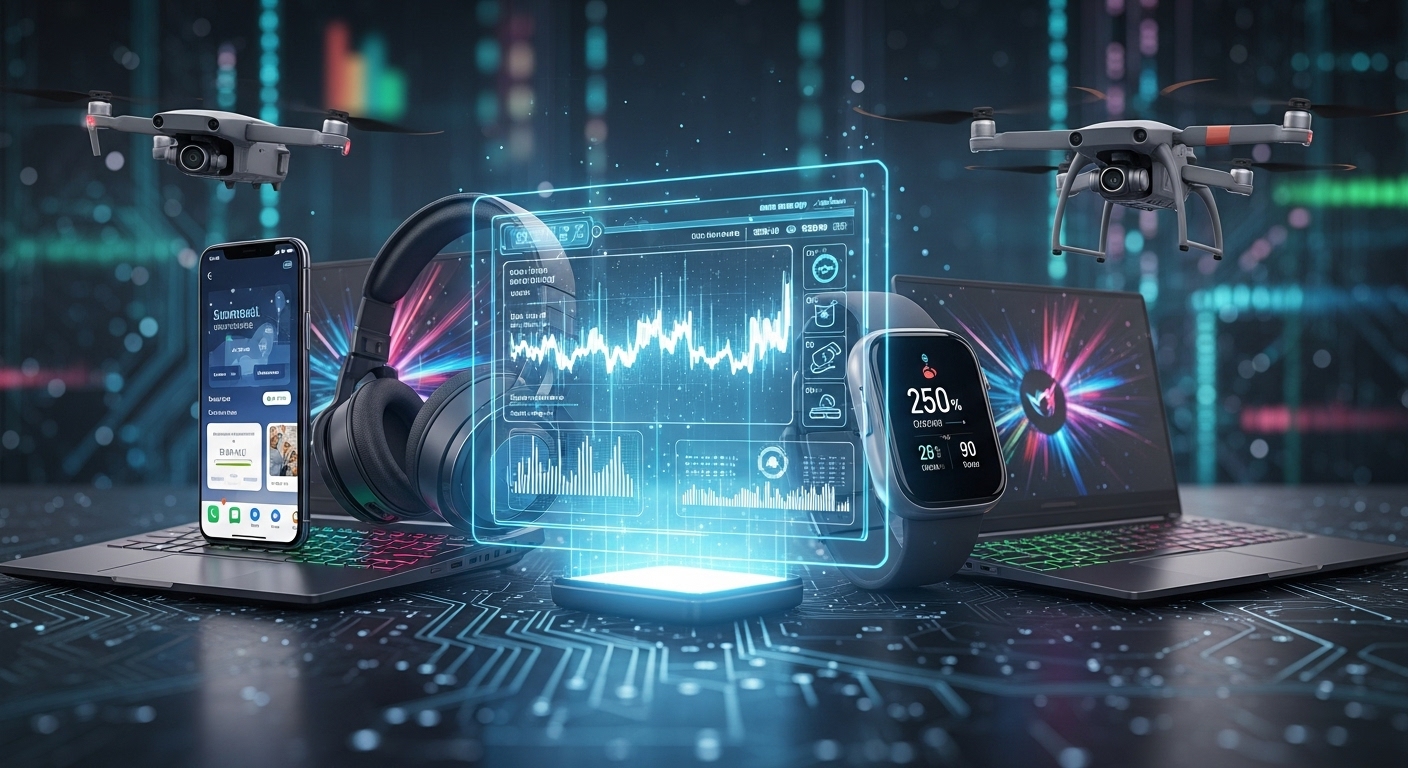
In today’s world, technology is no longer just a tool—it has become an integral part of daily life. From communication to healthcare, education to entertainment, technology influences nearly every aspect of how we live, work, and interact with others. What once seemed futuristic has become standard, and innovations continue to reshape industries and society at a rapid pace. This blog explores the evolution of technology, its impact on society, its role in various industries, and the emerging trends that will define the future.
The Evolution of Technology
Technology has been a driving force behind human progress for centuries. Early inventions like the wheel, the printing press, and the steam engine revolutionized society by improving productivity and communication. The 20th century brought computers, telecommunication networks, and the internet, enabling global connectivity and instant access to information.
The rise of personal computers and smartphones democratized access to information, making knowledge and communication available to billions of people. Cloud computing and big data allowed real-time collaboration across the globe. Today, technology integrates artificial intelligence, robotics, and smart systems into nearly every facet of life, continuously expanding human potential and productivity.
Artificial Intelligence: Transforming the Modern World
Artificial intelligence (AI) is among the most transformative technologies of the 21st century. AI systems can analyze vast amounts of data, detect patterns, and make informed decisions faster than humans. Its applications span industries, from healthcare and education to finance and entertainment.
In healthcare, AI assists in diagnosing diseases, developing personalized treatment plans, and analyzing medical imaging. Businesses leverage AI to optimize operations, predict customer behavior, and enhance user experiences. AI also enhances educational platforms, logistics systems, and even creative industries. While AI presents enormous benefits, it also raises ethical concerns, such as data privacy, job displacement, and accountability for automated decisions.
Automation and Robotics
Automation and robotics are revolutionizing industries worldwide. In manufacturing, robots assemble products with precision, monitor quality, and improve efficiency. Logistics and supply chain operations employ automation to manage inventory, streamline deliveries, and reduce operational errors.
Automation is increasingly present in daily life. Smart home devices, robotic vacuum cleaners, and automated systems simplify household tasks. In agriculture, automated machinery optimizes planting, irrigation, and harvesting. In healthcare, robotic-assisted surgeries improve accuracy and reduce recovery times. While automation drives efficiency and productivity, it also requires workforce adaptation and skill development to remain competitive.
Communication in the Digital Era
Technology has drastically changed the way humans communicate. From letters and telegraphs to telephones and emails, communication has continuously evolved. Today, video calls, messaging apps, and social media platforms allow instantaneous interaction across the globe.
Businesses utilize digital communication tools to collaborate, manage remote teams, and engage clients efficiently. Social media allows communities to share ideas, form networks, and participate in social and political movements. Modern communication technology has made global interaction seamless, faster, and more accessible than ever before.
Technology in Education
Technology has reshaped education, making learning more interactive, accessible, and personalized. Online courses, digital libraries, and educational apps enable students to learn from anywhere. Teachers can monitor progress, tailor lessons, and create engaging content using multimedia tools.
Virtual reality and augmented reality allow immersive educational experiences, enabling students to explore scientific concepts, historical events, and complex systems firsthand. Gamification and interactive simulations foster critical thinking, creativity, and problem-solving skills. Technology equips students with the knowledge and skills needed to thrive in a digitally-driven world.
Healthcare and Technological Innovation
Healthcare has benefited immensely from technological advancements. Telemedicine allows patients to consult doctors remotely, increasing access to medical care in underserved areas. Wearable devices track health metrics such as heart rate, sleep patterns, and activity levels, empowering individuals to manage their wellness proactively.
Robotic-assisted surgeries enhance precision and reduce recovery times. AI-driven diagnostic tools analyze medical data for early detection and personalized care. Hospitals leverage data analytics to optimize operations and improve patient outcomes. Technology has made healthcare more efficient, accurate, and accessible, improving quality of life globally.
Business and Industry Transformation
Modern businesses rely heavily on technology to remain competitive. Cloud computing, enterprise software, and data analytics enable companies to streamline operations and make informed decisions. Automation reduces repetitive tasks, allowing employees to focus on innovation and strategy.
E-commerce platforms allow businesses to reach global markets, while digital marketing enables targeted consumer engagement. AI optimizes supply chains, forecasts trends, and enhances customer experience. Across industries, technology is a key driver of efficiency, growth, and innovation.
Technology in Daily Life
Technology impacts almost every aspect of daily life. Smartphones serve as communication tools, personal assistants, navigation devices, and entertainment hubs. Smart home systems allow users to manage lighting, security, temperature, and appliances remotely. Digital banking and online payment systems make financial transactions simple and convenient.
Leisure activities are also heavily influenced by technology. Streaming platforms, gaming, and social media provide entertainment and foster social interaction. Technology improves convenience, productivity, and access to information, becoming indispensable in modern living.
Sustainable Technology
Technology plays a crucial role in promoting sustainability. Renewable energy sources, including solar, wind, and hydroelectric power, reduce dependence on fossil fuels. Electric vehicles lower carbon emissions, and smart energy grids optimize power distribution and consumption.
Environmental monitoring systems track pollution, climate changes, and resource usage. Technology supports recycling, waste management, and conservation initiatives. By integrating sustainability into innovation, society can achieve progress while protecting the planet for future generations.
Ethics, Privacy, and Responsibility
The growth of technology raises ethical considerations. Data privacy, cybersecurity, and algorithmic fairness are critical issues in a digital world. Ensuring transparency, accountability, and protection of personal information is essential for responsible technological development.
Ethical technology prioritizes human welfare, fairness, and social responsibility. Policymakers, developers, and organizations must collaborate to establish frameworks that maximize benefits while minimizing harm. Responsible use of technology ensures progress aligns with societal values and protects public trust.
Emerging Trends in Technology
The future of technology is filled with possibilities. Artificial intelligence will continue to advance, capable of understanding human behavior and making sophisticated decisions. Robotics will increasingly assist in healthcare, households, and industries. Virtual and augmented reality will create immersive experiences for education, entertainment, and training.
Biotechnology and genetic engineering may lead to revolutionary breakthroughs in medicine. Quantum computing will tackle problems beyond the scope of traditional computers. While emerging technologies offer tremendous opportunities, they also present ethical, social, and environmental challenges that require careful consideration.
Challenges in a Technology-Driven World
Despite its benefits, technology introduces challenges. Cybersecurity threats, digital addiction, job displacement due to automation, and ethical dilemmas related to AI require attention. Society must balance innovation with responsibility to ensure technology enhances life without unintended consequences.
Education, regulation, and ethical standards are essential to navigate the rapidly evolving technological landscape. By proactively addressing these challenges, society can harness technology’s potential while minimizing risks.
Conclusion
Technology is no longer optional—it is central to how we live, work, and interact. It transforms communication, education, healthcare, business, and daily life, offering solutions to global challenges and creating new opportunities.
Responsible use of technology is essential to build a future where innovation benefits humanity. By understanding its potential, addressing ethical concerns, and promoting sustainability, society can ensure that technology improves quality of life, drives progress, and expands human capabilities. The digital era is advancing rapidly, and those who embrace innovation thoughtfully will thrive in this evolving world.