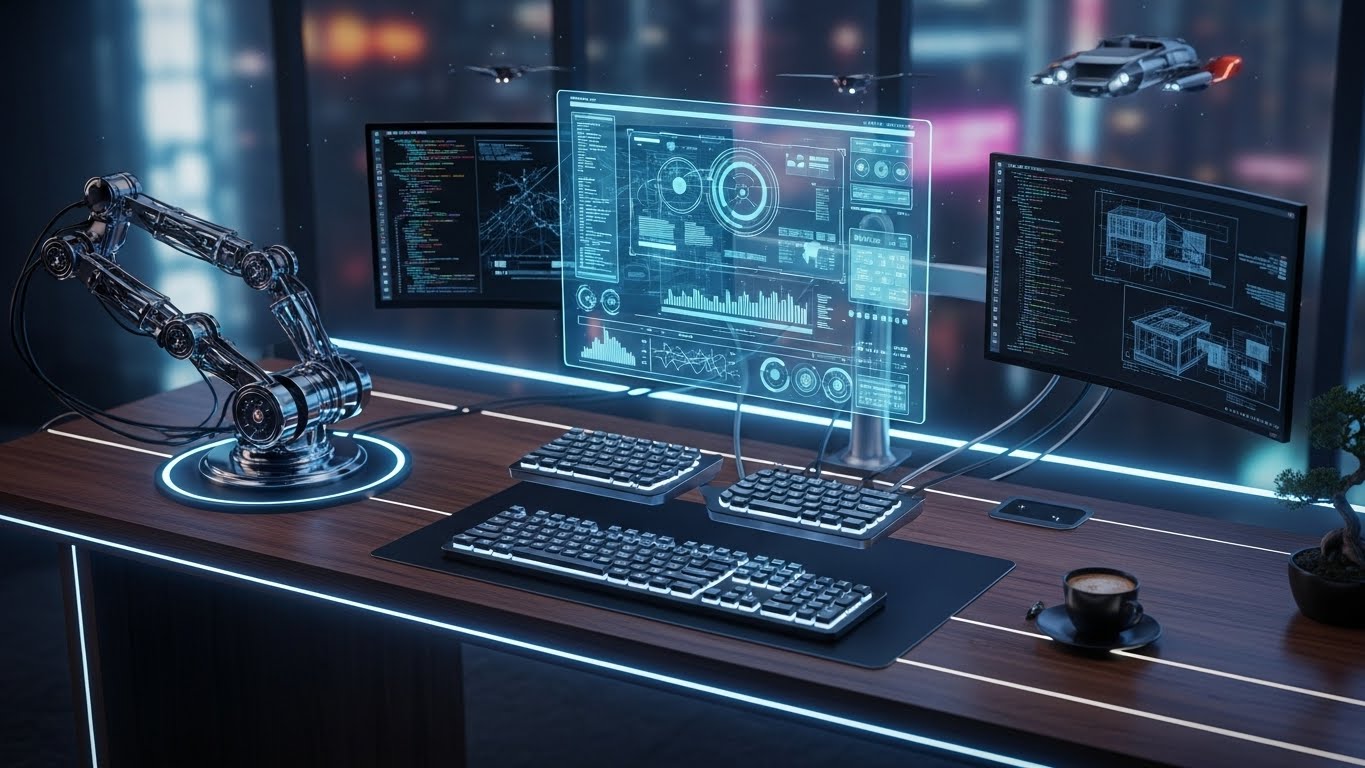
Technology has become the driving force behind human progress in the modern era. It is no longer a tool used only for convenience; it has transformed how we live, work, communicate, and even think. From the simplest applications on our smartphones to the complex networks running global industries, technology touches nearly every aspect of our daily lives. This blog explores the ways technology is shaping the world, highlights current trends, and examines what the future may hold.
The Evolution of Technology
The story of technology is a story of constant evolution. From the invention of the wheel and printing press to the rise of the internet and artificial intelligence, humans have always sought ways to innovate and improve efficiency. The 20th century saw some of the most profound technological advancements, including personal computers, mobile phones, and the internet, which connected people across the globe.
In the 21st century, technology is evolving at a pace never seen before. Cloud computing, smart devices, and AI-powered systems have moved beyond novelty into everyday essentials. The speed of innovation has made technology not just accessible but indispensable, redefining how we live, work, and interact.
Artificial Intelligence and Machine Learning
Artificial intelligence (AI) is at the forefront of the technological revolution. AI enables machines to analyze data, identify patterns, and make decisions with minimal human intervention. Machine learning, a subset of AI, allows systems to improve their performance over time, learning from past experiences and outcomes.
In business, AI is used to optimize operations, enhance customer experiences, and drive innovation. In healthcare, AI helps in diagnosing diseases early, predicting treatment outcomes, and personalizing patient care. Even creative fields are embracing AI for designing graphics, composing music, and generating content. As AI continues to advance, it will augment human capabilities, making processes faster, smarter, and more efficient.
The Rise of Smart Devices
The Internet of Things (IoT) has transformed everyday objects into intelligent devices capable of sharing and analyzing data. Smart homes, wearable technology, and connected vehicles are no longer futuristic concepts but everyday realities.
In homes, IoT devices monitor energy usage, manage security systems, and provide real-time insights on health and fitness. In industries, connected sensors optimize manufacturing, track logistics, and prevent downtime through predictive maintenance. By turning ordinary objects into data-driven tools, smart devices enhance efficiency, convenience, and overall quality of life.
Cloud Computing and the Modern Workplace
Cloud computing has revolutionized how organizations manage data and operate. By allowing remote access to computing resources, cloud technology eliminates the need for extensive physical infrastructure. This flexibility enables businesses to scale quickly, collaborate globally, and store data securely.
Remote work has become viable due to cloud-based productivity tools. Teams can communicate in real time, access shared resources, and manage projects efficiently from anywhere in the world. The cloud also supports advanced technologies like artificial intelligence and big data analytics, making it a cornerstone of digital transformation.
Cybersecurity in the Digital Era
As technology becomes increasingly integrated into daily life, cybersecurity has become a critical concern. Cyber threats, including data breaches, ransomware attacks, and identity theft, pose risks to individuals, businesses, and governments. Protecting sensitive information requires robust security measures and constant vigilance.
Modern cybersecurity employs encryption, multi-factor authentication, and AI-driven threat detection to safeguard digital assets. Organizations must also foster awareness and best practices among employees and users. With increasing reliance on interconnected systems, cybersecurity is essential for ensuring trust, privacy, and continuity.
The Impact of 5G Technology
The introduction of 5G networks is transforming communication and connectivity. Compared to previous generations, 5G offers faster speeds, lower latency, and greater capacity for connected devices. This advancement enables innovations such as autonomous vehicles, remote surgeries, and immersive virtual experiences.
5G also enhances real-time collaboration and supports smart city infrastructure. From transportation management to energy efficiency, the network’s speed and reliability enable a new era of digital integration. As 5G technology spreads globally, it will serve as the foundation for future innovations.
Virtual Reality and Augmented Reality
Virtual reality (VR) and augmented reality (AR) are changing how people experience the digital world. VR immerses users in fully simulated environments, while AR overlays digital information onto the real world. These technologies are revolutionizing entertainment, education, healthcare, and marketing.
In education, VR and AR create interactive learning experiences, allowing students to explore subjects in immersive ways. Surgeons use AR for precise procedures, while businesses utilize these tools for product demonstrations and training. By blending reality with digital enhancements, VR and AR expand the boundaries of engagement and innovation.
Technology in Healthcare
Healthcare has seen some of the most transformative effects of technology. Telemedicine allows patients to consult with doctors remotely, expanding access to care. AI-powered diagnostics enable early detection of diseases and personalized treatment plans. Wearable devices monitor health metrics in real time, allowing patients and healthcare providers to make informed decisions.
Robotic-assisted surgeries improve precision and reduce recovery times. Electronic health records streamline patient information management, ensuring continuity of care. By integrating technology into healthcare, medical professionals can provide faster, safer, and more efficient treatment.
The Evolution of Work
The modern workplace is being reshaped by technology. Remote work, digital collaboration tools, and cloud-based platforms allow employees to work efficiently from anywhere. This flexibility has transformed traditional office environments and improved work-life balance for many professionals.
Automation and AI are replacing repetitive tasks, allowing workers to focus on creative and strategic responsibilities. Careers in cybersecurity, data analysis, and digital content creation are emerging as technology-driven roles grow. The future workplace will require adaptability, continuous learning, and the ability to collaborate effectively with technology.
Sustainable Technology
Technology also plays a vital role in promoting sustainability. Renewable energy solutions, electric vehicles, and smart grids reduce environmental impact. AI-driven systems improve efficiency in agriculture, transportation, and resource management.
Sustainable technology aligns innovation with ecological responsibility. It not only addresses environmental challenges but also provides economic and social benefits. By leveraging technology for sustainability, we can create a balance between progress and environmental stewardship.
Ethical Considerations in Technology
As technology advances, ethical considerations become increasingly important. Issues such as data privacy, digital rights, algorithmic bias, and accessibility must be addressed to ensure responsible innovation.
Developers, businesses, and policymakers have a shared responsibility to create transparent, inclusive, and ethical technology frameworks. By prioritizing ethics, we can ensure that technological advancements benefit society without causing unintended harm.
The Future of Technology
The future of technology is filled with promise and potential. Innovations in artificial intelligence, quantum computing, biotechnology, and immersive digital environments will continue to push boundaries. These advancements will solve complex global challenges, from climate change to healthcare, and create new opportunities for individuals and businesses alike.
The key to a successful technological future is responsible implementation. Ethical considerations, sustainability, and inclusivity must guide innovation to ensure that progress benefits humanity as a whole. The world is entering a new era where technology not only enhances our capabilities but also reshapes the very way we interact with our environment.
Conclusion
Technology has evolved from a simple convenience to a driving force shaping every aspect of modern life. Artificial intelligence, smart devices, cloud computing, virtual reality, and advanced healthcare solutions are transforming the world around us. The speed of innovation continues to accelerate, creating opportunities and challenges that require thoughtful, ethical engagement.
By embracing technology responsibly, society can unlock its full potential. The future is a landscape of limitless possibilities, where innovation improves efficiency, enhances lives, and drives global progress. Technology is not merely a tool—it is the lens through which we will define the next era of human achievement.